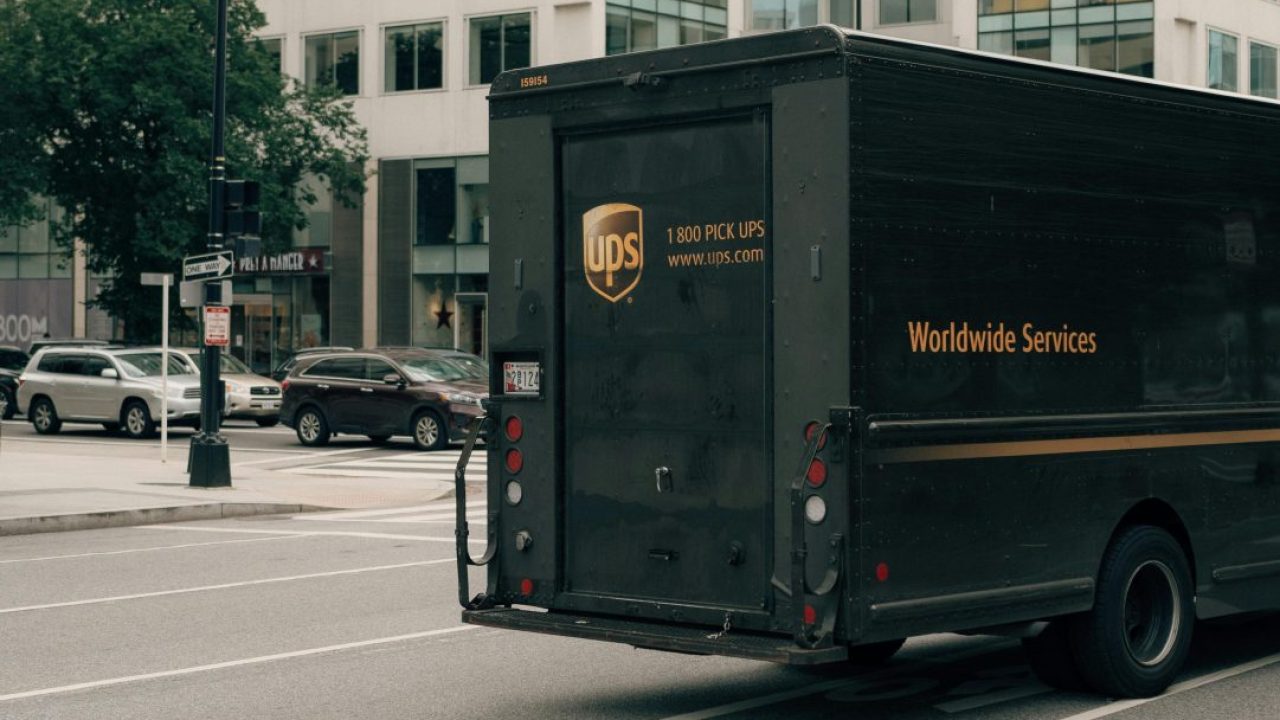
UPS is expanding a nationwide network of drop-off locations—expected to reach about 10,000 sites—so consumers can return items without packaging or labels.
This strategy targets a large and growing returns market, with U.S. consumers sending back roughly $706 billion in goods in 2025. Returns are operationally different from forward deliveries: instead of moving one package at a time to dispersed households, UPS aggregates many returned items and consolidates them into fewer shipments heading back to centralized processing facilities. This aggregation improves network efficiency, reduces last-mile costs, and accelerates processing, with some returns reaching retailers in just a few days.
The economics behind this shift highlight why B2C deliveries are typically more expensive. Residential delivery involves dense last-mile complexity—drivers must travel longer, less efficient routes with many stops for single packages, often with failed delivery attempts and lower drop density per mile. Additionally, e-commerce shipments tend to be lightweight, low-value items, limiting pricing power and compressing margins. UPS has explicitly moved away from such volume, including reducing business with large e-commerce customers, in favor of higher-yield segments.
By contrast, returns often resemble B2B freight flows. Once collected, they are consolidated and shipped in bulk to distribution centers, refurbishment hubs, or liquidation partners, essentially moving from node to node rather than door to door. This creates higher stop density, fewer miles per package, and better asset utilization.
Moreover, returns are tied to value recovery for retailers, making shippers more willing to pay for speed, visibility, and fraud prevention services. As a result, reverse logistics offers UPS not just operational efficiencies but also stronger pricing leverage, turning what was once a cost center into a more profitable, service-driven business line.
What does this mean for you?
As with any type of parcel pickup and delivery, negotiate your returns carefully and remember that there are a number of options for returns transportation.
Know Your Surcharges and Rates
Effective May 4: a $5.00 per package Non-Compliant Label Fee will apply to each UPS Ground Saver package if the Customer fails to:
- Comply with the labeling requirements set forth in the UPS Guide to Labeling Supplement – UPS Ground Saver; or
- Use the latest version of an approved shipping system that meets UPS’s requirements at the time of shipment for processing UPS Ground Saver packages.
Why am I telling you this?
I’m Jay Kent, managing director of SLB Performance, a consulting firm that helps companies, like yours, reduce supply chain costs, implement BI tools, improve in-stocks and customer service. After 25 years of leading some of the most complex supply chains in the industry, I began advising companies like yours in how to mitigate costs and improve efficiencies. I am here to help you better understand the market. So twice a month, I’ll share relevant small parcel and supply chain news.
Let’s talk! An initial consultation with me will cost you nothing. Click here to schedule a call.
Look for the next Jay’s Parcel Notes, a twice a month LinkedIn newsletter for additional news and thoughts.
Jay Kent